

Resizing
Log in to add to favouritesPage last updated 07 October 2026
Width
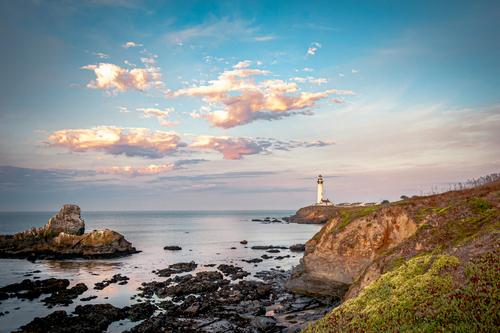
Image width represents the width of the output image. The width or w parameter allows you to dynamically resize the image based on pixels values. If only the width is provided, then the image is scaled to the new dimension while retaining the original aspect ratio.
Height
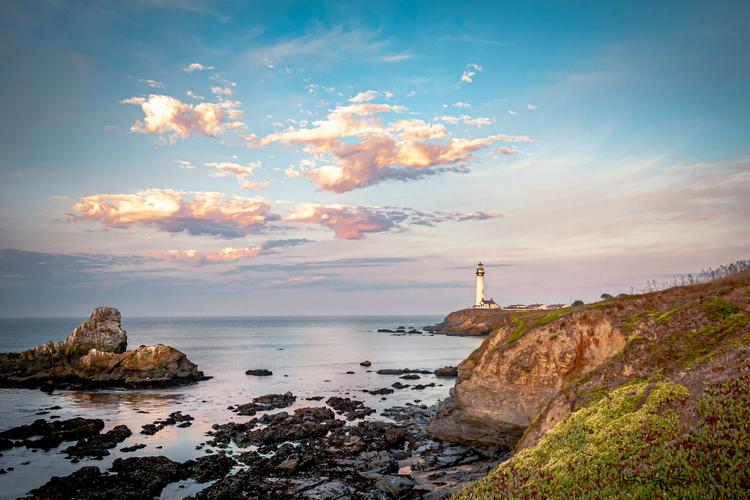
Image height represents the height of the output image. The height or h parameter allows you to dynamically resize the image based on pixels values. If only the height is provided, then the image is scaled to the new dimension while retaining the original aspect ratio.
Width and height
When both the width and height parameters are provided, the image is resized so that it takes up as much space as possible within the bounding box defined by the given width and height parameters. The original aspect ratio is retained and all of the original image is visible. This is the fit=max behaviour, which applies when no fit is given.
To fill the bounding box exactly, rather than fitting inside it, use one of the other fits: crop, fit fill or fit stretch.
Keep the sizing parameters together
Transformations are applied in the order they are given, and width and height only combine into a single resize when they follow one another. Another transformation between them starts a second resize, so ?width=400&blur=5&height=300 resizes twice rather than fitting the image into a 400x300 box. A fit parameter must also directly follow the dimensions it applies to.
Maximum output size
A transformed image can be at most 16 megapixels, with neither side longer than 8,192 pixels. A request for anything larger is scaled down to fit within those limits, keeping its aspect ratio, rather than refused, so the image returned can be smaller than the width or height asked for. The limits apply to any request the Image API processes, including one that only changes the format or quality.